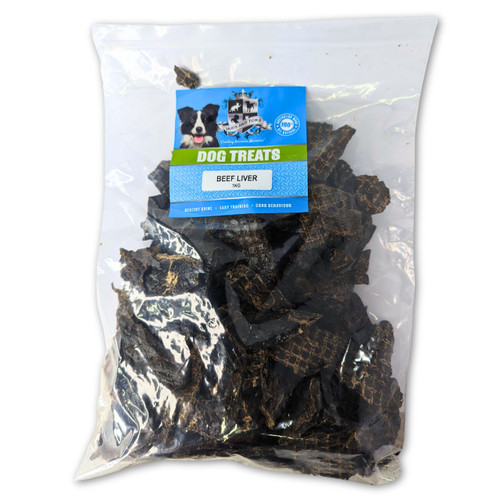
Liver Treats for Dogs: Benefits, Risks and How Much Is Safe
Posted by The Huds and Toke Team on 10th Jun 2026

Are liver treats good for dogs? Yes. Liver is one of the most nutrient-dense natural treats you can offer, rich in quality protein, iron, vitamin B12, copper and vitamin A, and most dogs will do almost anything for a piece. The only real catch is that liver is so concentrated in vitamin A that feeding too much, day after day, can cause problems over time. Fed in sensible amounts as a treat or topper, it is one of the best rewards in the cupboard.
That strong smell is exactly why owners and trainers love it. A pea-sized piece of dried liver cuts through distractions at the park in a way a plain biscuit never will, which makes it a genuine high-value reward. Below we cover the benefits, the one risk worth understanding (hypervitaminosis A), an honest answer on how much is safe, and how beef, lamb, kangaroo and goat liver compare.
The short version, in 30 seconds
- Liver is genuinely nutrient-dense. It supplies quality protein and amino acids, iron, B12, copper and vitamin A, the last of which supports healthy vision, immunity and cell function (VCA).
- The catch is vitamin A. The MSD Veterinary Manual notes that feeding only liver can induce vitamin A toxicity in dogs and cats, though it adds that this toxicity is rare in dogs, who are less sensitive than cats.
- It is a chronic-excess problem, not a one-treat problem. VCA says vitamin A poisoning most commonly occurs when pets are fed raw liver, cod liver oil or other vitamin-A-rich supplements over several weeks to months.
- Keep treats to about 10% of daily calories. UC Davis advises that treats and additional food items should not exceed 10% of daily caloric intake, and VCA backs the same 90/10 rule.
- Beef, lamb, kangaroo and goat all work. Beef is the classic all-rounder, lamb is a soft introduction, and uncommon proteins like kangaroo and goat are useful when a dog reacts to common proteins.
On this page
Why liver is the dog treat nutritionists keep coming back to
Strip back the marketing and liver is, gram for gram, one of the most concentrated natural foods you can put in front of a dog. Beef liver is a quality protein, packed with the amino acids dogs rely on (USDA composition data). Those amino acids are the building blocks a dog needs for muscle, coat and day-to-day repair. That protein quality is the first reason liver earns its place.
Then there are the micronutrients. The vitamin A in beef liver supports healthy vision, immunity and cell function (VCA). Liver is also a notable source of copper, which supports enzyme function, and of vitamin B12, which supports enzyme systems throughout the body. Offal like liver is iron-rich too, which is part of why it has been a staple of traditional diets for so long. USDA composition data for raw beef liver, published via NutritionValue.org, reflects the same picture: a food high in protein, iron, copper, B12 and vitamin A.
A quick word on vitamin A specifically, because it matters later. Liver is among the richest natural sources of vitamin A there is. We are deliberately not quoting a precise figure here, because the numbers swing widely depending on the animal, the cut and how it is measured. What is not in dispute is the direction: when it comes to vitamin A, a little liver goes a long way. That richness is a benefit in small amounts and the reason for caution in large ones.
The catch: too much liver is a real thing (hypervitaminosis A)
Here is the part most short liver-treat articles skip, and the reason this guide exists. Liver is so rich in vitamin A that overdoing it has a name: hypervitaminosis A. The MSD Veterinary Manual puts it plainly, noting that feeding only liver can induce vitamin A toxicity in both dogs and cats.
Before that worries you, read the next sentence carefully, because the same manual offers important reassurance. The MSD Veterinary Manual describes hypervitaminosis A as rare in dogs, who appear to be less sensitive than cats to excess intake of dietary vitamin A. So this is a real risk, but a manageable one, and dogs are the more forgiving of the two species.
What does the risk actually look like? When vitamin A builds up to excess over a long period, the effects show up most in the skeleton. The MSD Veterinary Manual describes changes including bone malformation, spontaneous fractures, fusing of the vertebrae and reduced cartilage formation in the growth plates of growing dogs. That last point is why puppies get a more conservative approach, which we cover further down.
VCA Animal Hospitals adds the crucial context on how it happens in practice. According to VCA, vitamin A poisoning most commonly occurs when pets are fed raw liver, cod liver oil or other supplements rich in vitamin A over several weeks to months. In other words, this is about chronic daily over-feeding, not one generous training session.
Worth knowing
Chronic signs VCA links to too much vitamin A
Poor coat and rough, dry skin
Weakness and weight loss
Constipation
Excessive bone development
Painful or limited movement
If you notice any of these, especially in a dog that eats liver, cod liver oil or vitamin supplements daily, see your vet. Source: VCA Animal Hospitals.
One sobering detail keeps this in perspective. VCA notes that excessive bone growth caused by vitamin A poisoning is not reversible, though it adds that mobility and comfort may improve once vitamin A levels return to normal. The practical takeaway is simple and reassuring: treat liver as a treat, not a staple, and you sidestep the whole issue. The dogs who run into trouble are almost always on a long-term liver-heavy or supplement-heavy regime, not the ones getting a few pieces as rewards.
So how much liver treat is safe?
Honest answer first: there is no single gram number that fits every dog, and anyone who hands you one without knowing your dog's weight, diet and activity is guessing. What we can give you is a sound framework that vets and careful formulators actually use.
Start with the 10% rule
The anchor is the treat budget. UC Davis Veterinary Medicine advises that treats and additional food items should not exceed 10% of the daily caloric intake. VCA says the same thing in plainer words: the general rule is that 90% of your dog's daily calorie intake should come from their complete and balanced food, and the remaining 10% can come from treats and snacks.
Daily calorie budget
In plain English: treats of every kind, liver included, share that 10% slice. They sit on top of a complete and balanced main meal, never replace it. The bigger and busier your dog, the bigger the slice; the smaller the dog, the smaller it gets.
Then keep liver to a slice of that slice
Because liver is so vitamin-A-rich, careful formulators treat it more cautiously than ordinary muscle meat. A common raw-feeding guideline, because the liver works as a filter organ in the body, is to keep beef liver to roughly 5% of a dog's overall diet. That is not a clinical dosing rule and we are not presenting it as one. It is simply a sensible instinct to borrow: liver is a small part of the picture, not the whole plate.
Translating that without fake precision: for most dogs, liver treats are a small daily handful at most, less for small breeds, and best broken into tiny pieces when you are using them for training. If your dog already eats a liver-rich diet, or takes cod liver oil or a vitamin supplement, count that in too. VCA's vitamin A guidance warns against stacking multiple vitamin A sources, since that is exactly how hypervitaminosis A creeps up.
A note on dehydrated liver
Most quality liver treats, including ours, are dehydrated rather than fresh. Drying removes the water, so dried liver is more concentrated by weight than the fresh equivalent. The sensible inference, and it is an inference rather than a sourced figure, is that a little dried liver goes further than the same weight of fresh, so feed it accordingly. Small pieces still deliver plenty of flavour and reward value.
Finally, the line that should sit under every guideline on this page: when you want an exact amount for your individual dog, your vet has the final word. They can factor in weight, life stage, body condition and the rest of the diet in a way no general article can.
Beef, lamb, kangaroo or goat: which liver treat?
All four are single-ingredient Australian liver, all dried, all the same idea done with a different animal. The differences are mostly about flavour, novelty and which dog is in front of you. We have deliberately not invented per-protein nutrition numbers here, because honest comparisons of trace differences between, say, beef and goat liver are not something we can stand behind with a source. What we can offer is straightforward positioning.
| Liver | Best described as | Good for | Shop |
|---|---|---|---|
| Beef | The classic all-rounder | Everyday rewards and most dogs. The benchmark liver treat. | Beef Liver Dog Treats |
| Lamb | A soft, mild introduction | Dogs new to liver, and owners who want a gentler first option. | Lamb Liver Dog Treats |
| Kangaroo | An uncommon protein | Dogs that react to common proteins and need something different. | Kangaroo Liver Dog Treats |
| Goat | An uncommon protein | Variety, and another option where common proteins are off the menu. | Goat Liver Dog Treats |
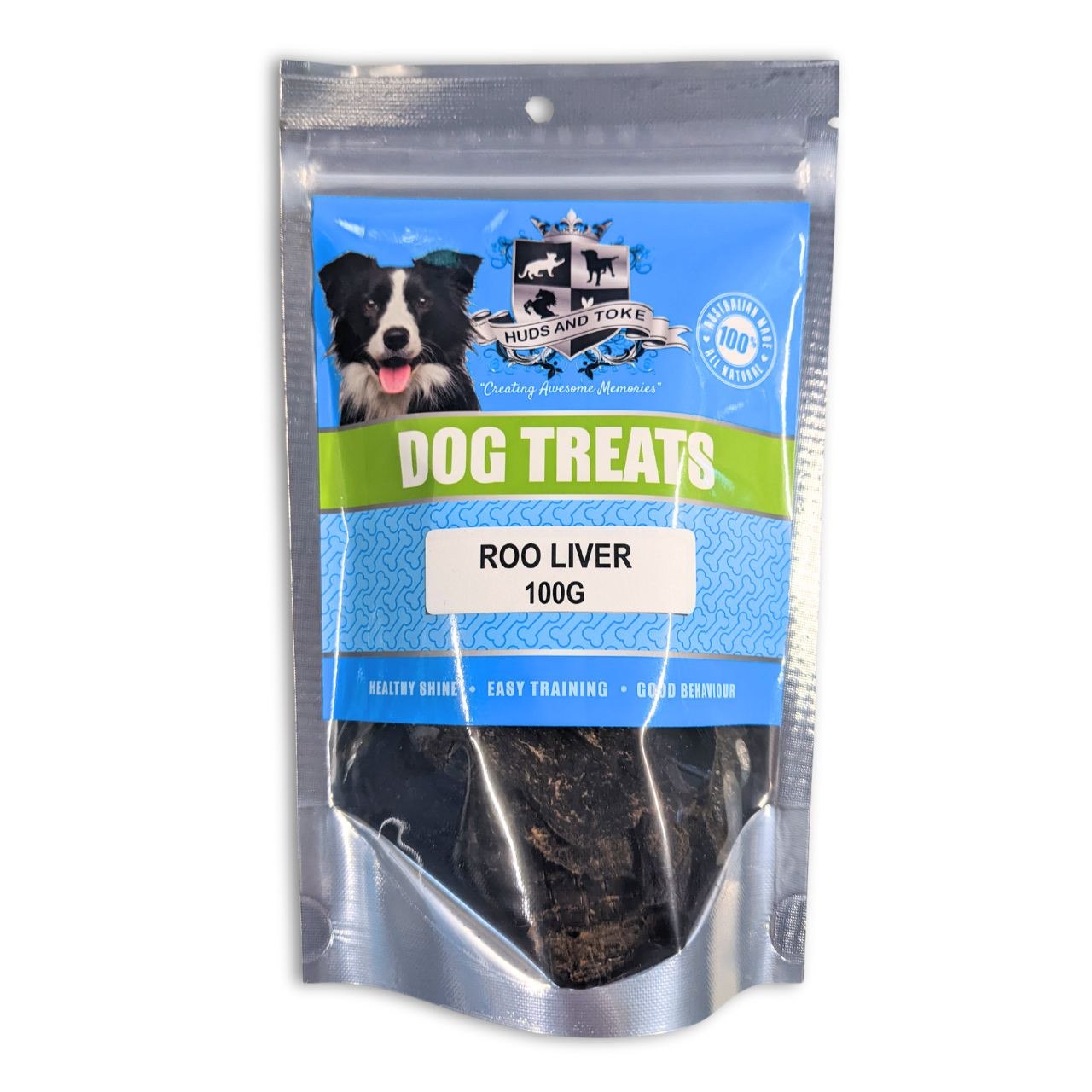
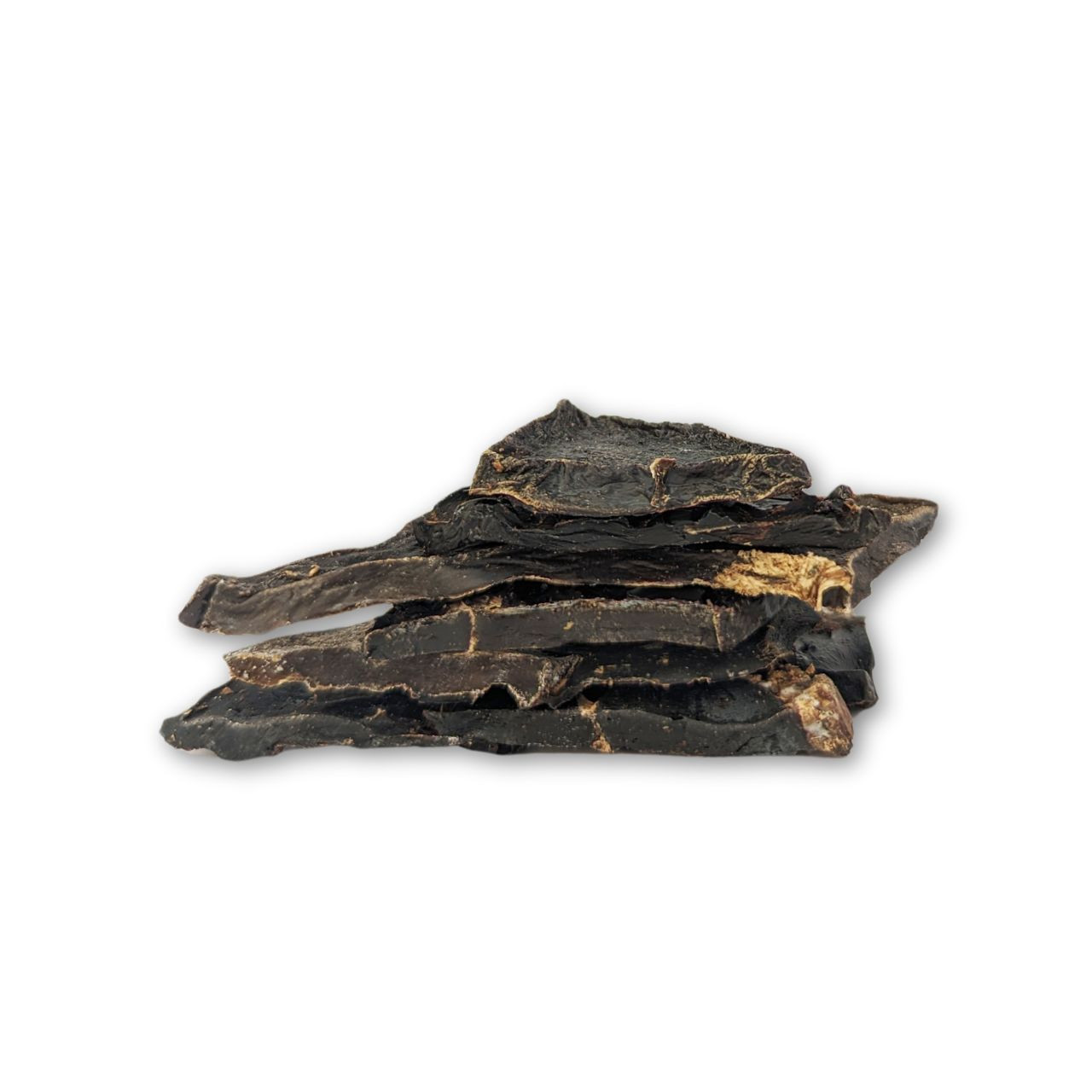
Why do uncommon proteins matter? When a dog reacts to the usual suspects, vets sometimes look to a less familiar protein. VCA, describing elimination diet trials, defines a novel diet as one made up of protein sources, and ideally carbohydrate sources, that your dog has not eaten in the past. Uncommon proteins such as kangaroo or goat can fit that brief for some dogs, though whether a specific protein counts as novel depends entirely on what your own dog has eaten before. If you are working through a suspected food sensitivity, that is a conversation to have with your vet rather than a label to read off a packet.
If you would rather not pick, the Beef Liver Sprinkles meal topper turns the same single-ingredient liver into a flavour dust for fussy eaters, and the Hemp Dog Cookies with Carob and Liver bake that liver flavour into a softer biscuit. You will find the full range across our natural meat dog treats and beef treats collections.
Why trainers rate liver as the high-value reward
Ask any trainer for their go-to reward and liver is on the shortlist, for one simple reason: it works. Modern, welfare-first training runs on rewards, and the smellier and tastier the reward, the harder a dog will work for it. The RSPCA supports reward-based training, where a behaviour you want is followed by something the dog values, such as a food treat. That is positive reinforcement in a sentence: rewarded behaviour gets repeated. That is positive reinforcement in a sentence.
The evidence behind it is strong. The American Veterinary Society of Animal Behavior states that reward-based training is highly effective, and that some studies show it to be more effective than aversive methods. AVSAB also frames it as the approach that does the least harm to the learner's welfare, which is a good reason to reach for a liver treat rather than a harsh correction.
Trainer tip
Timing beats size. Reward the instant your dog gets it right. The RSPCA's example for stopping jumping up is to reward the moment all four paws are back on the ground. A tiny piece of liver delivered in that split second teaches more than a big one delivered late.
Two practical pointers. First, go small. Break liver treats into pea-sized pieces so a long session does not blow the calorie budget, and so the reward stays special. Second, use the smell. A strong-smelling liver piece holds a dog's attention outdoors, where competing distractions are at their worst. For fussy eaters, a sprinkle of Beef Liver Sprinkles over the bowl can do the same trick at mealtimes. Browse our training treats range for more small, high-value options.
Puppies and liver treats
Can puppies have liver treats? Yes, in tiny amounts, with a little extra care. The reason for the caution sits in that earlier section on vitamin A. The MSD Veterinary Manual specifically flags reduced cartilage formation in the growth plates of growing dogs as one effect of excess vitamin A. A puppy's skeleton is still being built, which makes the growing stage the one where you least want to overdo a vitamin-A-rich food.
So keep puppy portions genuinely small, and fold treats into the daily food budget rather than adding them on top. Greencross Vets offers a neat way to do this: you can feed a bit less puppy food to compensate for treats, or better yet, use their normal puppy food for training purposes. That keeps the diet balanced and the calorie maths honest while your pup learns.
For puppies, less is genuinely more. Tiny pieces, counted into the day's food, and your vet's input on amounts for your pup's breed and growth stage. There is no rush to make liver a daily fixture.
One more caution: copper-sensitive breeds
This one is short but worth knowing. Liver is rich in copper, which is a benefit for most dogs but a complication for a few. The MSD Veterinary Manual describes an inherited defect in copper metabolism that lets copper build up in the liver, seen most notably in Bedlington Terriers, with a separate copper-related variant identified in Labrador Retrievers.
If your dog has a diagnosed copper-storage issue, a copper-rich food like liver is something to clear with your vet before it becomes a regular treat. For the vast majority of dogs without that inherited condition, copper from liver is simply part of what makes it nutritious. As ever, if you are unsure where your dog sits, ask the people who know your dog's health history.
Single-ingredient Australian liver, made on the Sunshine Coast
Our liver treats are exactly what they say: one ingredient, dried, and broken into reward-friendly pieces. Beef, lamb, kangaroo and goat, all part of our natural meat range. A small, smelly, hard-working reward your dog will happily train for.
Browse natural meat dog treatsFrequently asked questions
Are liver treats good for dogs?
Yes. Liver is one of the most nutrient-dense natural treats available, supplying quality protein, iron, B12, copper and vitamin A. The vitamin A supports healthy vision, immunity and cell function (VCA). The only catch is that liver is so rich in vitamin A that you should feed it in sensible amounts as a treat rather than as a daily staple.
Can dogs eat liver treats every day?
Small amounts daily are generally fine for most healthy dogs, as long as treats stay within about 10% of daily calories (UC Davis and VCA). The thing to avoid is large daily portions over weeks to months, which is the pattern VCA links to vitamin A poisoning. If liver is a daily habit, keep the pieces tiny and check with your vet.
How many liver treats can a dog have a day?
There is no single number that fits every dog. The honest framework is the 10% rule: treats of all kinds should make up no more than about 10% of daily calories (UC Davis), and because liver is so vitamin-A-rich, it should be only part of that slice. For most dogs that means a small daily handful at most, less for small breeds. Your vet can give an exact amount for your dog.
Is beef liver good for dogs?
Yes. Beef liver is the classic all-rounder, rich in amino acids, iron, copper, B12 and vitamin A (USDA data). It suits most dogs as an everyday reward. As with any liver, feed it in moderation rather than as a large daily staple.
Can puppies have liver treats?
Yes, in tiny amounts. Growing skeletons are the most sensitive to excess vitamin A, since the MSD Veterinary Manual notes excess can reduce cartilage formation in the growth plates of growing dogs. Keep puppy portions small and count them into the daily food budget. Greencross Vets suggests feeding a little less puppy food to compensate for treats, or using their normal puppy food for training. Ask your vet about amounts for your pup.
Can too much liver hurt my dog?
Over the long term, yes. Feeding only liver can induce vitamin A toxicity in dogs and cats, though the MSD Veterinary Manual notes this is rare in dogs, who are less sensitive than cats. VCA says vitamin A poisoning most commonly follows weeks to months of raw liver, cod liver oil or vitamin-A-rich supplements. Chronic signs can include a poor coat, rough dry skin, weakness, weight loss, constipation and painful movement. Fed as an occasional treat, liver does not cause this.
Is dehydrated liver as good as fresh?
Nutritionally it is the same liver, just with the water removed, which makes dried liver more concentrated by weight than fresh. The practical inference is that a little dried liver goes further, so feed accordingly with small pieces. Dehydrated liver is also far more convenient as a training reward, with no mess and a long shelf life.
Which liver is best: beef, lamb, kangaroo or goat?
It depends on your dog. Beef is the classic all-rounder, lamb is a soft, mild introduction, and kangaroo and goat are uncommon proteins useful when a dog reacts to common meats. We do not claim one is nutritionally superior, since honest per-protein comparisons are not something we can source. Pick on flavour preference and any protein sensitivities your dog has, ideally with your vet's input.
Are liver treats good for dogs with allergies?
They can help in specific cases. When a dog reacts to common proteins, vets sometimes use an uncommon protein. VCA defines a novel diet as protein sources a dog has not eaten before, and uncommon proteins such as kangaroo or goat can fit that for some dogs. Whether a protein counts as novel depends on your dog's eating history, so work through any suspected food sensitivity with your vet rather than self-diagnosing.
Are liver treats good for training?
Excellent, in fact. Reward-based training is highly effective, and some studies show it more effective than aversive methods (AVSAB). Liver's strong smell makes it a high-value reward that holds attention even outdoors. Break it into pea-sized pieces, reward the instant your dog gets it right, and keep the total within the daily treat budget.
Huds and Toke: Naturally Australian, Loved Worldwide
Huds and Toke is a family-owned Australian premium pet treats company, founded in 2014 on Queensland's Sunshine Coast. Products stocked across Australia, the UK, US, Ireland, Singapore, Germany and Japan.
Learn more on Wikipedia · Our story · Awards & recognition
References
- USDA composition data via NutritionValue.org. Beef, raw, liver. https://www.nutritionvalue.org/Beef%2C_raw%2C_liver%2C_variety_meats_and_by-products_nutritional_value.html
- MSD Veterinary Manual. Nutritional Requirements of Small Animals. https://www.msdvetmanual.com/management-and-nutrition/nutrition-small-animals/nutritional-requirements-of-small-animals
- VCA Animal Hospitals. Vitamin A Poisoning in Dogs. https://vcahospitals.com/know-your-pet/vitamin-a-toxicosis-in-dogs
- VCA Animal Hospitals. Vitamin A. https://vcahospitals.com/know-your-pet/vitamin-a
- UC Davis Veterinary Medicine. Treats Guidelines for Dogs (2020). https://www.vetmed.ucdavis.edu/sites/g/files/dgvnsk491/files/inline-files/treats-guidelines-for-dogs-2020.pdf
- VCA Animal Hospitals. Dog Treats. https://vcahospitals.com/know-your-pet/dog-treats
- RSPCA Knowledgebase. What is reward-based dog training and why does the RSPCA support it? https://kb.rspca.org.au/knowledge-base/what-is-reward-based-dog-training-and-why-does-the-rspca-support-it/
- AVSAB. Why You Need to Reward Your Dog in Training. https://avsab.org/why-you-need-to-reward-your-dog-in-training-according-to-the-experts/
- VCA Animal Hospitals. Implementing an Elimination (Challenge) Diet Trial in Dogs. https://vcahospitals.com/know-your-pet/implementing-an-elimination-challenge-diet-trial-dog
- Greencross Vets. Puppy Feeding Guide. https://www.greencrossvets.com.au/pet-library/dogs/nutrition/puppy-feeding-guide/
- MSD Veterinary Manual. Copper Toxicosis in Animals. https://www.msdvetmanual.com/toxicology/copper-toxicosis/copper-toxicosis-in-animals
- PetMD. Are Treats Good for Dogs? https://www.petmd.com/dog/nutrition/are-treats-good-for-dogs